
Quick Overview
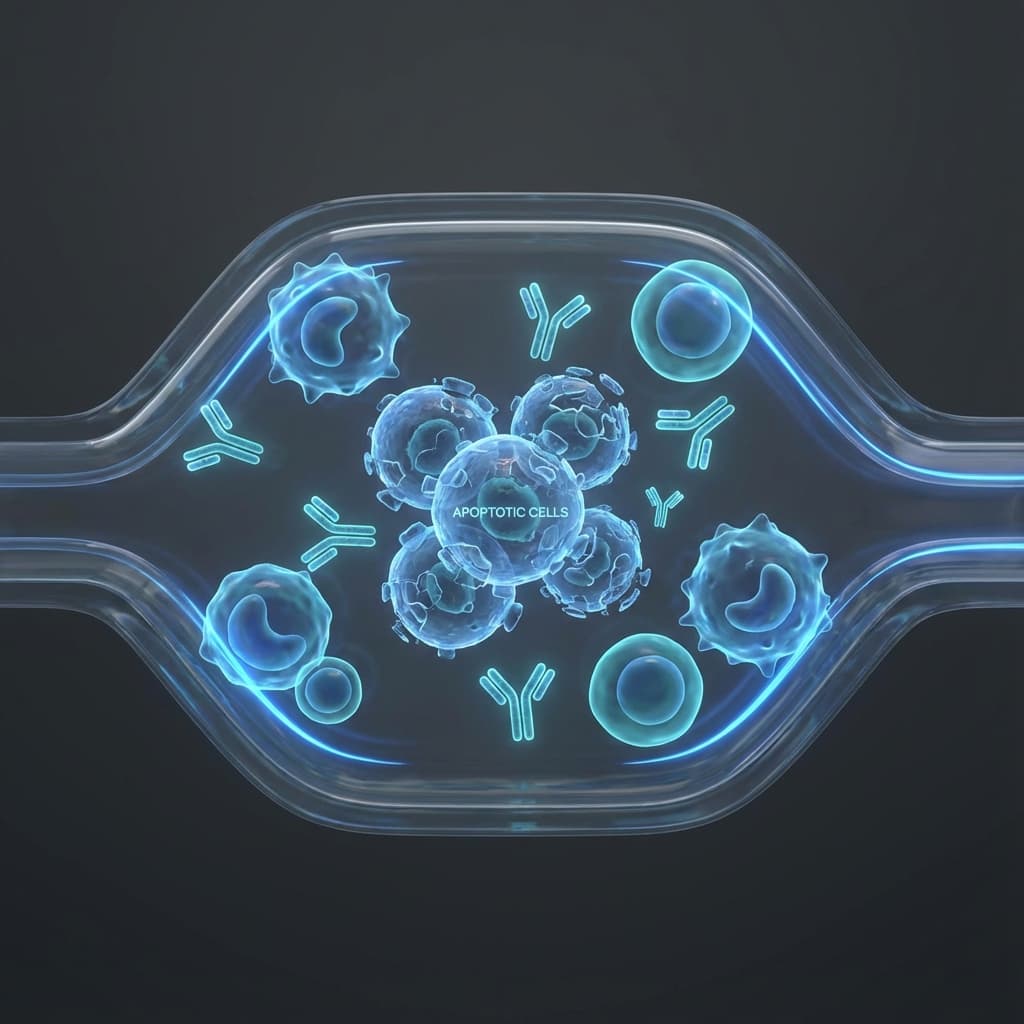
Lupus (SLE) is an autoimmune disease where your immune system mistakenly attacks your own body. It can damage joints, skin, kidneys, blood cells, brain, heart, and lungs. It is not contagious.
Common Symptoms
Symptoms can come and go in waves called "flares." No two cases are exactly alike.
The "Butterfly Rash"
A classic sign: a red rash across the cheeks and bridge of the nose, shaped like a butterfly. It often appears after sun exposure.
Joint Pain
Pain, stiffness, and swelling in joints, especially in the morning. It often affects wrists and hands.
Extreme Fatigue
Feeling tired all the time, even after sleeping. This is often the most debilitating symptom.
Fever
Unexplained low-grade fevers are common, especially before a flare.
Who Gets Lupus?
- • Women: 9 out of 10 people with lupus are women.
- • Age: Usually diagnosed between ages 15 and 45.
- • Race: More common in African American, Hispanic/Latino, Asian, and Native American women.
Serious Complications
Lupus can attack organs without you feeling it right away.
Lupus Nephritis: Kidney damage is a leading cause of death among people with lupus. Routine urine and blood tests are essential.
Medical Review
Reviewed by: HealixAI Clinical Team
Last Updated: October 16, 2026
Sources: Lupus Foundation of America, Mayo Clinic, NIH